From Smart Contracts to Self-Custody: How Blockchain Puts Players in Control (and Answers Your Burning Questions About Fairness)
The rise of blockchain technology in gaming isn't just about flashy NFTs; it's a fundamental shift in the power dynamic, moving control from centralized entities to the players themselves. At its core, this transformation is driven by smart contracts. These self-executing agreements, coded directly onto the blockchain, automate game logic, enforce rules, and manage in-game economies without the need for human intermediaries. Imagine a game where drop rates for rare items are verifiably public and immutable, or where tournament prize pools are automatically distributed upon completion, eliminating any possibility of human error or manipulation. This transparency and immutability directly address long-standing player concerns about fairness, offering a robust, auditable framework for every interaction within the game world. It’s a paradigm shift from 'trust us' to 'verify for yourself,' empowering players with unprecedented insight and assurance.
Beyond smart contracts, the concept of self-custody is a cornerstone of player empowerment in the blockchain gaming ecosystem. Traditional games often leave players with little to no true ownership of their in-game assets; items exist within a company's database and can be altered, removed, or devalued at will. With self-custody, players hold their digital assets – characters, skins, weapons, and even in-game currency – directly in their own crypto wallets. This means:
- True Ownership: Your assets are verifiably yours, independent of any single game developer.
- Interoperability Potential: In the future, these assets could potentially be used across different games or platforms.
- Market Freedom: Players can freely trade, sell, or even lend their assets on open marketplaces without needing permission from a central authority.
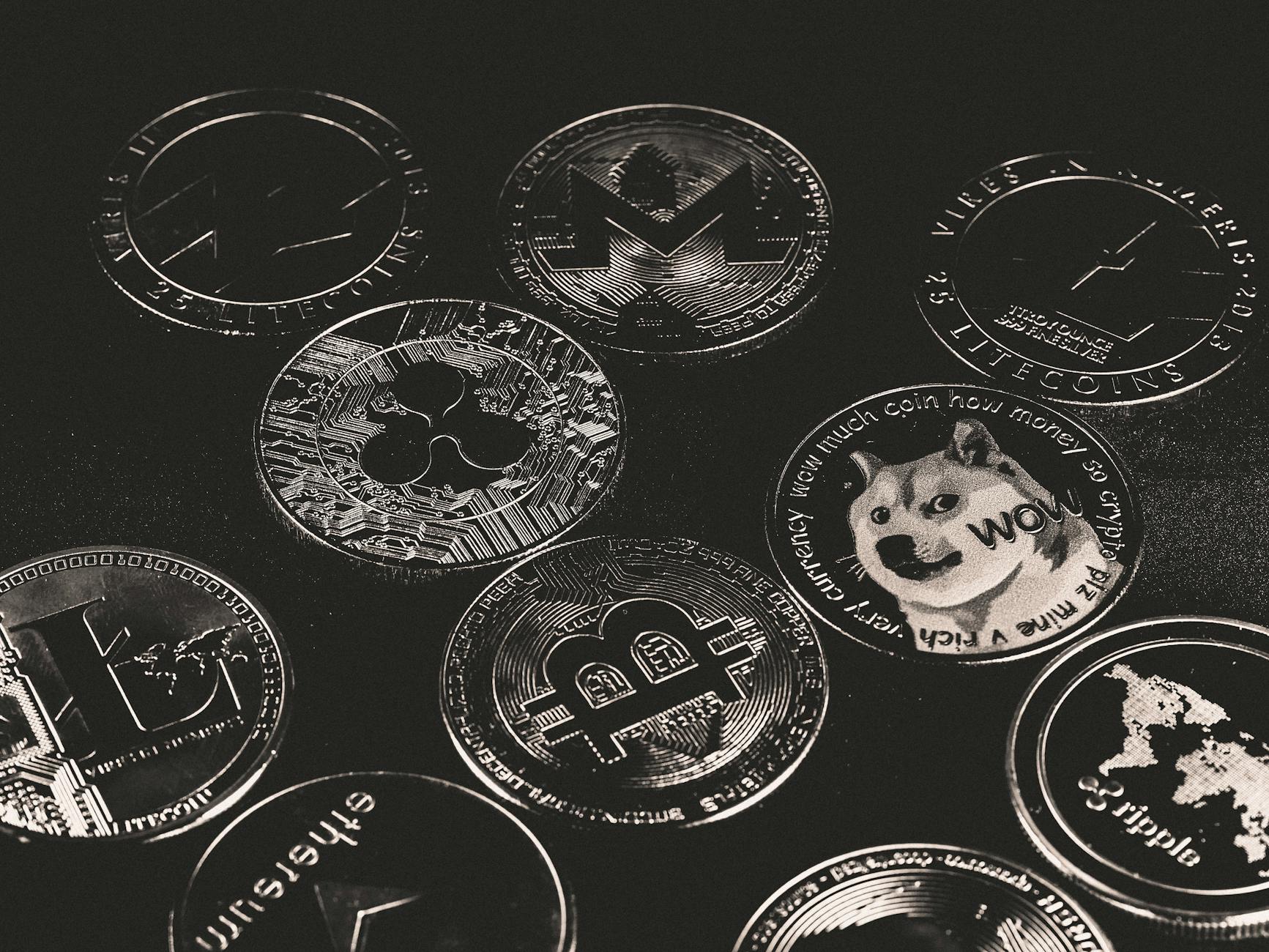
A cryptocurrency casino offers a modern and often anonymous way to gamble online, utilizing various digital currencies for deposits, withdrawals, and gameplay. These platforms are gaining popularity due to their enhanced security features, faster transactions, and the potential for provably fair gaming, allowing players to verify the fairness of each game outcome.
Beyond the Buzzwords: Practical Steps to Spot Legit Decentralized Casinos & Safeguard Your Crypto Wins
Navigating the burgeoning landscape of decentralized casinos requires more than just understanding the jargon; it demands a critical eye and a pragmatic approach to identifying genuinely legitimate platforms. Forget the flashy marketing and focus on verifiable metrics. Key indicators of a trustworthy decentralized casino include transparent smart contracts, where the game logic and payout mechanisms are publicly auditable on the blockchain. Look for platforms that openly share their audit reports from reputable third-party security firms. Furthermore, examine their community engagement and support channels. A vibrant and responsive community, along with accessible customer service, often signifies a platform committed to its users. Be wary of sites with vague terms of service or those that lack clear documentation regarding their tokenomics or operational procedures. Your crypto's safety hinges on your diligence.
Once you've identified a potentially legitimate decentralized casino, the next crucial step is safeguarding your hard-earned crypto wins. This isn't just about secure wallets, though that's foundational. It involves understanding the platform's withdrawal policies and any associated fees. Before committing significant funds, conduct a small test withdrawal to ensure the process is seamless and as advertised. Diversify your investments; never put all your crypto eggs in one casino basket, regardless of its perceived legitimacy. Always use strong, unique passwords and enable two-factor authentication (2FA) wherever possible. Consider utilizing hardware wallets for long-term storage of larger sums, only transferring what you intend to play with. Remember, even in a decentralized environment, personal vigilance remains your strongest defense against potential losses.