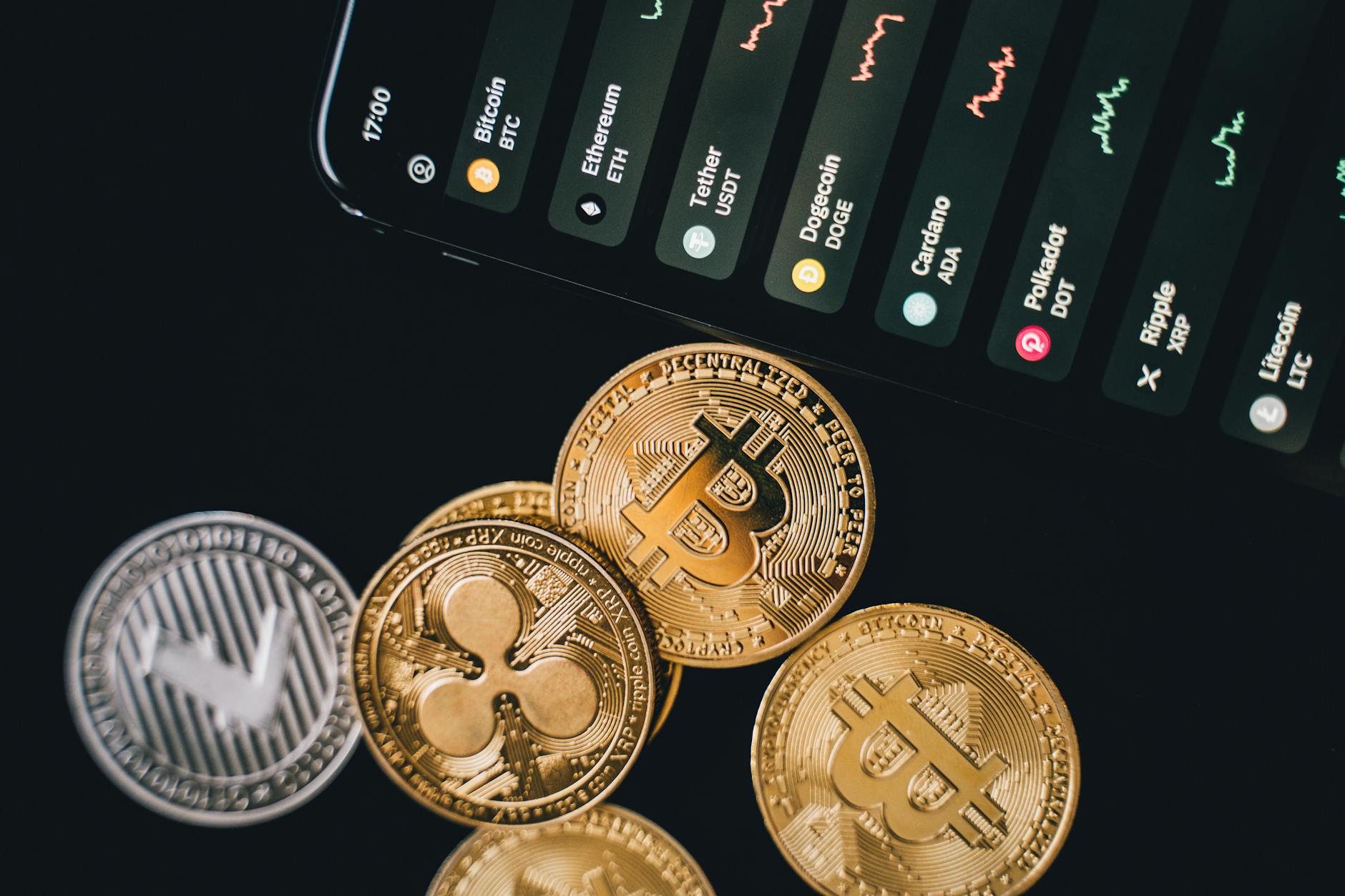
Navigating the Pitch: Bitcoin vs. Ethereum Betting Explained & Practical Tips for Your First Wager
When delving into the exciting world of Bitcoin (BTC) vs. Ethereum (ETH) betting, understanding the fundamental differences in their underlying technology and market dynamics is paramount. Bitcoin, often dubbed 'digital gold,' is a more established cryptocurrency with a primary focus on being a store of value and a medium of exchange. Its price movements tend to be influenced by macro-economic factors, institutional adoption, and its fixed supply, leading to potentially more predictable, albeit sometimes slower, trends. Ethereum, on the other hand, powers a vast ecosystem of decentralized applications (dApps), NFTs, and DeFi protocols. Its value is intrinsically linked to the growth and utility of this ecosystem, making it more susceptible to technological developments, network upgrades (like the highly anticipated ETH 2.0 merge), and the overall health of the Web3 space. Therefore, before placing your first wager, consider whether you're betting on the stability and scarcity of BTC or the innovative potential and rapid evolution of ETH.
For your initial foray into BTC vs. ETH betting, a strategic approach is key. Start by exploring reputable platforms that offer these betting markets; look for those with clear interfaces, competitive odds, and robust security measures. Many platforms offer demo accounts, which are an excellent way to practice without risking real capital. Practical tips include:
- Researching current events: Keep an eye on news related to each cryptocurrency, such as regulatory changes, major partnerships, or technological breakthroughs.
- Technical analysis: Learn basic charting techniques to identify support and resistance levels, which can indicate potential price reversals or breakouts.
- Risk management: Never bet more than you can afford to lose. Start with small stakes and gradually increase them as you gain experience and confidence.
- Diversification: While focusing on BTC vs. ETH, consider other aspects of your portfolio.
Crypto sports betting offers a revolutionary way for enthusiasts to engage with their favorite sports, providing enhanced privacy, lower transaction fees, and quicker payouts compared to traditional methods. With the rise of digital currencies, platforms for crypto sports betting are increasingly popular, allowing users to wager on a wide array of sporting events globally. This innovative approach leverages blockchain technology to ensure transparency and security in every bet placed.
Beyond the Hype: Understanding Transaction Fees, Security, and Answering Your Burning Crypto Betting Questions
Navigating the world of crypto betting often brings a flood of questions, particularly concerning transaction fees. It's crucial to understand that these fees aren't uniform and vary significantly across different cryptocurrencies and platforms. For instance, Bitcoin transactions can sometimes incur higher fees and longer confirmation times compared to newer, more efficient blockchains like Solana or Avalanche. Factors influencing these fees include network congestion and the specific blockchain's design. Smart bettors will research the typical transaction costs associated with their chosen cryptocurrency and platform, considering both deposit and withdrawal fees. Some platforms even absorb certain network fees, or offer tiered fee structures based on user activity, making it vital to read the fine print before committing.
Beyond just fees, the bedrock of any online betting experience, especially with cryptocurrencies, is security. When you're entrusting your funds to a platform, you need assurance that your assets are protected from hacks and unauthorized access. Look for sites that employ robust security measures such as two-factor authentication (2FA), cold storage for a significant portion of user funds, and regular security audits by independent firms. Decentralized platforms (DeFi) offer a different security paradigm, relying on smart contract auditing and the transparency of the blockchain itself, but still require users to be diligent about wallet security. Always prioritize platforms with a demonstrable track record of security and transparency, and remember that your own digital hygiene, like strong passwords and careful transaction verification, plays a crucial role in safeguarding your crypto assets.