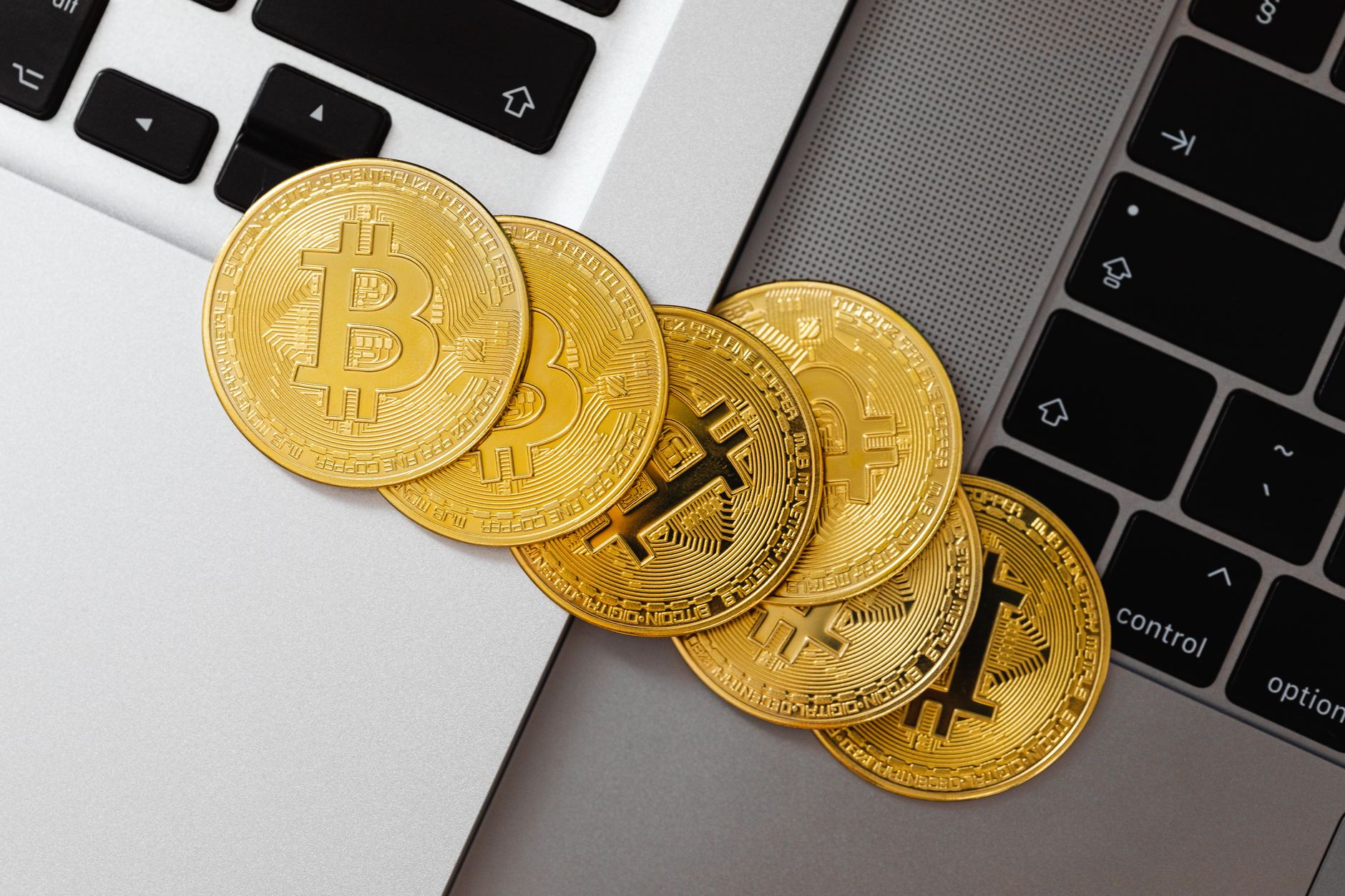
From Chips to Cold Hard Cash: Understanding Your Crypto Withdrawal Options
Once you've navigated the exciting world of cryptocurrency and perhaps even turned a tidy profit, the next crucial step is understanding how to convert your digital assets into tangible, spendable currency. This process, known as withdrawing crypto, isn't as daunting as it might seem, but it does involve a few key considerations. Think of it as moving funds from your digital wallet back to your traditional bank account, or even receiving cash in hand. The method you choose will often depend on factors like the specific cryptocurrency you hold, your geographical location, and your preference for speed versus cost. Familiarizing yourself with these options upfront can save you significant time and potential hassle down the line.
See also: Cryptocurrency - Wikipedia — Provides foundational understanding of the asset class used in crypto casinos.
The most common and generally recommended method for withdrawing crypto is through a reputable centralized exchange (CEX). Platforms like Binance, Coinbase, or Kraken act as intermediaries, allowing you to sell your cryptocurrency for fiat currency (USD, EUR, GBP, etc.) which can then be transferred directly to your linked bank account. This typically involves a few steps: first, selling your crypto for fiat on the exchange, then initiating a withdrawal request. Be aware of varying withdrawal fees and processing times, which can range from a few hours to several business days depending on the exchange and your chosen banking method. Some exchanges also offer debit cards that allow you to spend your crypto directly, converting it to fiat at the point of sale.
Beyond centralized exchanges, several other avenues exist for converting your crypto to cash. For those seeking greater privacy or a more direct exchange, peer-to-peer (P2P) platforms allow you to trade directly with other individuals, often offering a wider range of payment methods including bank transfers, cash in person, or even gift cards. Alternatively, a growing number of crypto ATMs are appearing in urban centers, enabling you to deposit crypto and receive cash instantly, though these often come with higher fees. Finally, for larger sums or institutional clients, over-the-counter (OTC) desks provide a personalized service for executing significant trades without impacting market prices. Choosing the right option ultimately depends on your individual needs and risk tolerance.
Mastering the Exit: Practical Tips for Smooth & Secure Crypto Withdrawals
Withdrawing your crypto holdings doesn't have to be a nerve-wracking experience. A smooth exit strategy begins with a thorough understanding of the platform you're using. Always double-check withdrawal limits, fees, and processing times for your chosen cryptocurrency and exchange. Some platforms have daily or weekly caps, and rushing the process without this knowledge can lead to frustrating delays or unexpected costs. Consider using a test transaction with a small amount first, especially when withdrawing to a new wallet address. This simple step can save you from significant losses if there's an error in the address or a misunderstanding of the platform's procedures. Furthermore, be aware of any KYC (Know Your Customer) requirements that might apply to larger withdrawals, as these can add extra steps to the process.
Security is paramount when moving your digital assets. Before initiating any withdrawal, ensure your target wallet or bank account details are meticulously accurate. A single misplaced character in a crypto address can lead to irreversible loss of funds. Utilize two-factor authentication (2FA) on both your exchange account and your receiving wallet, if available. This adds an extra layer of protection against unauthorized access. For larger sums, consider withdrawing to a hardware wallet for enhanced security. Additionally, be wary of phishing attempts; always verify the legitimacy of any communication requesting your withdrawal details. Never click suspicious links or share your private keys, as these are common tactics used by scammers.
See also: IRS FAQs on Virtual Currency Transactions — Offers guidance on tax implications of crypto transactions, relevant to withdrawals.
Once your withdrawal is initiated, patience is key. Blockchain networks and traditional banking systems operate at different speeds, and delays are not uncommon.
“The journey of a thousand miles begins with a single step, but in crypto, that step needs to be precisely addressed.”Keep an eye on the transaction status within your exchange and, if provided, use the transaction ID (TxID) to track its progress on the relevant blockchain explorer. If you encounter significant delays or issues, refer to your exchange's support documentation or contact their customer service. Having screenshots of your withdrawal request and any relevant communication can be helpful in resolving potential disputes. Remember, a well-planned and securely executed withdrawal process is crucial for maintaining the integrity of your crypto portfolio.
Decoding the Delays: Common Withdrawal Questions & Troubleshooting
Navigating the world of online withdrawals can sometimes feel like deciphering a cryptic message, especially when your funds don't appear as quickly as anticipated. A primary reason for delays often boils down to processing times. Different payment methods, from bank transfers to e-wallets, have varying timelines. For instance, a traditional bank wire might take 3-5 business days due to interbank clearing processes, while an e-wallet transfer could be near-instantaneous once approved. Furthermore, the platform you're withdrawing from also plays a role; some conduct daily batch processing, meaning if you miss the cut-off, your withdrawal might only be initiated the following business day. It's crucial to always consult the platform's specific withdrawal policy for estimated timeframes, as these are often clearly outlined in their FAQs or terms and conditions.
Beyond standard processing, several factors can contribute to unexpected hold-ups. Verification procedures are a significant one. To combat fraud and adhere to Know Your Customer (KYC) regulations, many platforms require users to submit identification documents. If these documents are incomplete, unclear, or haven't been fully verified, your withdrawal will remain pending. Another common culprit is incorrect withdrawal details. Even a single digit off in a bank account number or cryptocurrency wallet address can lead to funds being returned or, in unfortunate cases, lost. Double-checking every detail before confirming a withdrawal request is paramount. Lastly, minimum/maximum withdrawal limits can cause issues; attempting to withdraw outside these parameters will often result in a rejection or a pending status until corrected.
See also: What is Cryptocurrency? - Forbes Advisor — A reputable industry publication discussing cryptocurrency basics and market dynamics.
When faced with a persistent withdrawal delay, proactive troubleshooting is key. Here's a quick checklist to guide you:
- Review your transaction history: Confirm the withdrawal status (e.g., pending, processing, completed) and the exact date it was initiated.
- Check your email: Platforms often send notifications regarding withdrawal status changes or requests for additional information. Don't overlook your spam folder!
- Verify withdrawal details: Double-check the recipient account information you provided against the platform's records.
- Consult the platform's FAQ/Support: Many common issues are addressed here. If not, initiating a direct support ticket with all relevant details (transaction ID, date, amount) is the next crucial step. Be patient but persistent in following up.
Remember, clear communication and accurate information are your best allies in resolving any withdrawal-related issues efficiently, whether you're dealing with a bank or even a best crypto casino.
Avoiding the Pitfalls: What to Watch Out For When Cashing Out
Cashing out can seem like the finish line, but rushing this crucial step can lead to significant financial setbacks. One major pitfall is ignoring tax implications. Depending on the asset and your jurisdiction, capital gains taxes, income taxes, or even inheritance taxes could substantially reduce your net payout. It's imperative to consult with a financial advisor or tax professional *before* initiating a large withdrawal. They can help you understand the tax burden, explore strategies for minimizing it (like staggered withdrawals or tax-loss harvesting), and ensure you're complying with all relevant regulations. A little proactive planning here can save you a substantial amount of money in the long run.
Another common mistake is failing to account for market volatility and timing. While you might be eager to liquidate, a sudden downturn in the market could severely impact the value of your assets. Conversely, selling at an inopportune moment might mean missing out on potential gains. Consider setting clear financial goals and developing a personalized withdrawal strategy that takes market conditions into account. This might involve:
- Gradual liquidation over a period
- Setting price targets for selling specific assets
- Diversifying your investment portfolio to mitigate risk
Impulsive decisions driven by fear or greed can be detrimental to your long-term financial health.
Finally, be wary of hidden fees and unexpected charges. When cashing out, various intermediaries, platforms, or brokers might levy fees that can erode your profits. These could include transaction fees, withdrawal fees, account closure fees, or even penalties for early withdrawal from certain investment vehicles. Always read the fine print and clarify all potential costs before proceeding. Don't hesitate to ask detailed questions about the fee structure. Furthermore, ensure you have a clear understanding of the settlement period; some assets may take several days or even weeks to fully clear, which can impact your liquidity planning.
"The devil is in the details, especially when it comes to your money."Being meticulous now can prevent unpleasant surprises later.
Frequently Asked Questions
What's the typical process for withdrawing my cryptocurrency winnings from an online casino?
Generally, you'll navigate to the casino's 'Cashier' or 'Withdrawal' section. Select your desired cryptocurrency, enter the amount, and provide your external wallet address. Always double-check the address for accuracy before confirming, as crypto transactions are irreversible.
Are there any fees associated with withdrawing crypto from a casino, and how can I minimize them?
Crypto casinos often charge a small network fee (gas fee) for withdrawals, especially for Ethereum-based tokens. Some casinos might also have their own processing fees. To minimize them, withdraw larger amounts less frequently, and be aware of peak network congestion times when gas fees are higher.
How long does it usually take to receive my crypto withdrawal from a casino?
Withdrawal times vary. Instant withdrawals are common for smaller amounts on many platforms. Larger withdrawals might undergo a brief manual review for security, potentially taking a few hours. Blockchain network congestion can also influence overall transaction speed.
What should I do if my crypto withdrawal is delayed or doesn't appear in my wallet?
First, check the transaction ID on the relevant blockchain explorer to confirm its status. If it shows as confirmed but isn't in your wallet, double-check your wallet address. If issues persist, contact the casino's customer support with your transaction details for assistance.