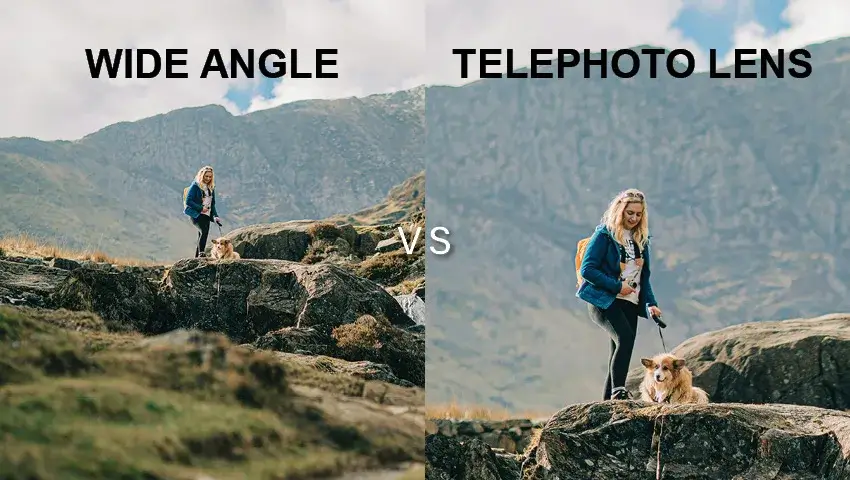
5 Essential Tips for Mastering Wide-Angle Photography
Wide-angle photography can be a remarkable way to capture expansive landscapes and dynamic architecture, but it also requires a specific set of techniques to master. Here are 5 essential tips to enhance your skills:
- Understand Your Lens: Familiarize yourself with the wide-angle lens you are using. Different lenses have varying focal lengths and characteristics that can greatly affect your composition.
- Use Leading Lines: Create depth in your images by incorporating leading lines. These can be roads, rivers, or any lines in the foreground that guide the viewer's eye through the photo.
3. Pay Attention to Composition: The rule of thirds is particularly effective in wide-angle photography. Position important elements of your scene along the grid lines or at the intersections to create balanced and engaging images.
4. Incorporate Foreground Elements: Add interest to your photos by including foreground elements, such as rocks or flowers, which can create a sense of scale and three-dimensionality.
5. Experiment with Distortion: While wide-angle lenses can create noticeable distortion, use it to your advantage. Capture unique framing and perspectives that can make your photographs more engaging.
Counter-Strike is a popular tactical first-person shooter game where players engage in team-based battles. It focuses on strategy, teamwork, and skill, making it a favorite in the esports community. Players can enhance their gaming experience with various gear, similar to how smartphone photographers can improve their shots with the Top 10 iPhone camera accessories.
Exploring the Best Locations for Stunning Wide-Angle Shots
When it comes to photography, wide-angle shots can transform even the most ordinary scenes into breathtaking images. Whether you're capturing sweeping landscapes or vibrant cityscapes, the right location is key. Some of the best places for stunning wide-angle shots include
To make the most of your wide-angle photography, consider visiting these locations:
- The Grand Canyon – The sheer scale and intricate layers of the canyon are perfect for wide views.
- New York City – Capture the skyline or bustling street scenes with an expansive perspective.
- Niagara Falls – The majestic waterfalls provide dynamic compositions that can fill the frame.
Each of these spots offers unique opportunities to explore and experiment with your wide-angle shots, ensuring that your photography portfolio is both diverse and visually compelling.
How to Choose the Right Wide-Angle Lens for Your Photography Needs
Choosing the right wide-angle lens for your photography needs can significantly enhance the quality of your images, especially when capturing landscapes, architecture, or any expansive scene. First, consider the sensor size of your camera. Full-frame sensors require lenses designed specifically for them, while crop sensors may need wider focal lengths to achieve similar effects. For instance, a 24mm lens on a full-frame camera behaves like a 38mm lens on a crop sensor. To make an informed choice, research the focal lengths that will work best with your specific camera sensor.
Next, examine the aperture and quality of the wide-angle lens. A lens with a wider maximum aperture (e.g., f/2.8 or wider) allows you to capture images in low light and provides better control over depth of field. Additionally, look for features like image stabilization and weather sealing if you shoot in challenging conditions. To narrow down your options, create a list of your requirements, including budget constraints and intended use, and compare various models to find the one that best fits your style and photography needs.