The Transformation of Sports: From Playgrounds to Profit Centers
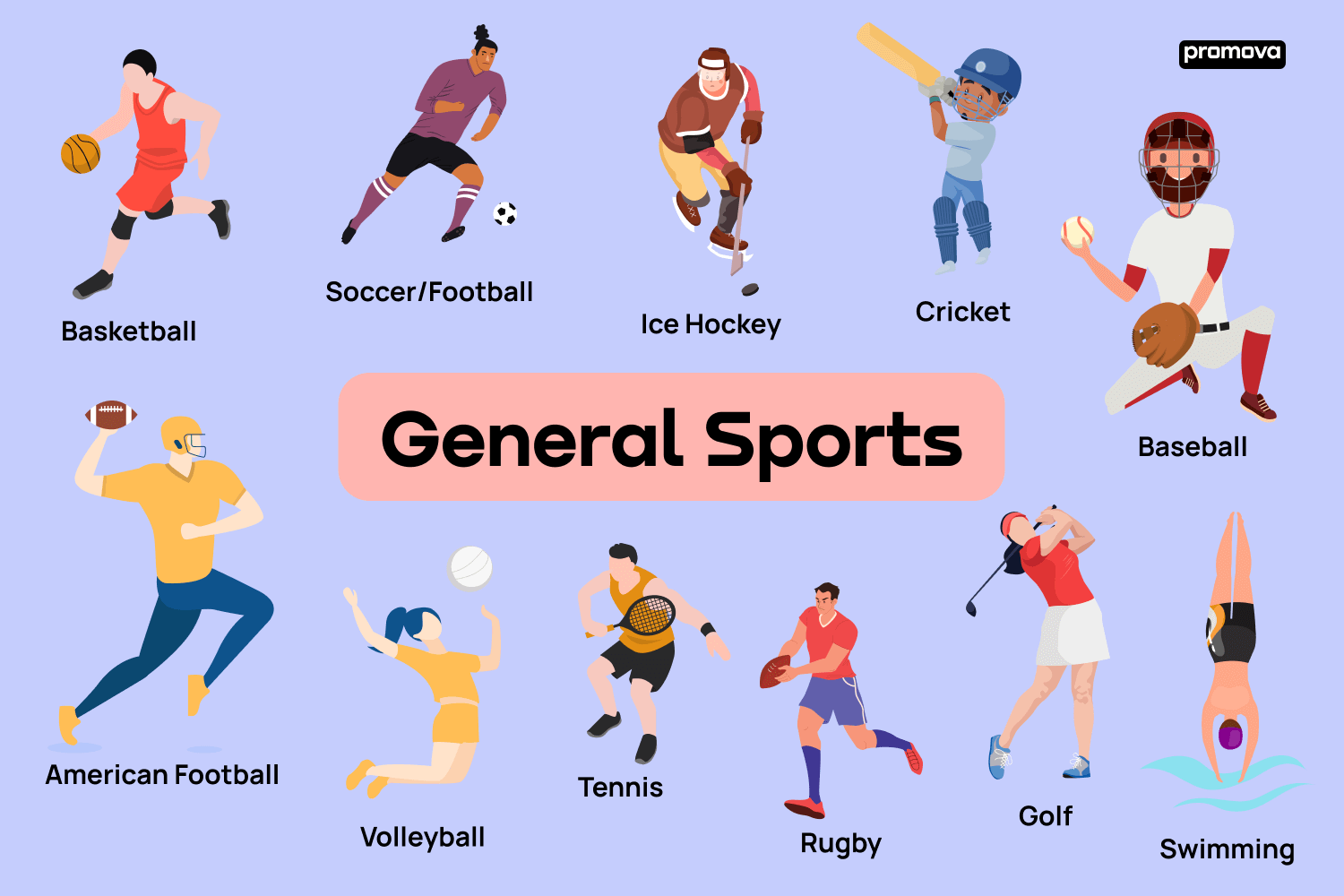
The world of sports has undergone a significant transformation, evolving from casual play on neighborhood playgrounds to multifaceted profit centers. In the early days, sports were primarily about community engagement and enjoyment, where children would gather to play games without the pressures of commercialization. However, as the popularity of different sports grew, so did their potential for revenue generation. Major sporting events began attracting larger audiences, leading to the construction of state-of-the-art facilities and the emergence of lucrative broadcasting rights.
Today, profit centers associated with sports not only include ticket sales and merchandise but also extend to lucrative sponsorship deals and global branding initiatives. With the advent of social media, teams and athletes can now engage with fans on a personal level, further driving revenue through digital content and targeted advertising. This shift highlights a fundamental change in the landscape of sports, where the focus has pivoted from pure recreation to a robust business model, impacting everything from athlete contracts to marketing strategies.
Counter-Strike is a popular multiplayer first-person shooter that has captured the attention of gamers worldwide. The game emphasizes teamwork, strategy, and skill, featuring various modes that challenge players to either eliminate the opposing team or complete specific objectives. For gamers who like to stay fit while playing, check out the Top 10 Apple Watch Bands for Sweating to find the perfect accessory for tracking workouts and managing notifications seamlessly.
Why Emotional Investment in Sports Runs Deeper Than the Game
The phenomenon of emotional investment in sports transcends mere gameplay; it encapsulates the intricate relationship between fans and their teams. For many, the highs of victory and the lows of defeat are not just fleeting moments but are woven into the fabric of personal memories and social interactions. This deep-rooted connection often stems from shared cultural narratives, where local legends, iconic victories, and historic rivalries shape communal identities. Fans connect, celebrate, and commiserate with one another, forming bonds that surpass the boundaries of the game itself.
Moreover, emotional investment in sports can significantly impact mental health and well-being. Research suggests that engaging deeply with sports can provide a sense of belonging, purpose, and even escapism from daily stresses. The rituals associated with watching games, such as gathering with friends or wearing team colors, foster a sense of community and shared purpose. In times of crisis, these connections can bring individuals together, illustrating that the emotional stakes of sports often run far deeper than just the final score.
Is Competition in Sports Taking the Fun Out of the Game?
In today's sports landscape, the drive for competition often overshadows the fundamental joy of playing the game. Athletes face immense pressure to perform, leading them to prioritize victories above the sheer love of their chosen sport. This emphasis on winning can create a toxic environment where players feel they must sacrifice their passion and creativity just to meet the high expectations set by coaches, sponsors, and fans. Is competition in sports taking the fun out of the game? Many players report feeling that the spirit of play has been replaced by a relentless pursuit of perfection, detracting from what originally drew them to their sport.
Furthermore, this competitive culture extends beyond professionals, affecting youth sports programs as well. Parents and coaches often prioritize trophies and recognition over personal development and enjoyment. As a result, kids might find themselves burnt out or disengaged, with some even choosing to quit altogether. Instead of fostering a love for sports, the focus on competition can lead to an unhealthy obsession with winning. Is competition in sports taking the fun out of the game? If we shift our focus back to the joy of participation and skill development, we can create a more balanced and fulfilling sporting experience for everyone involved.