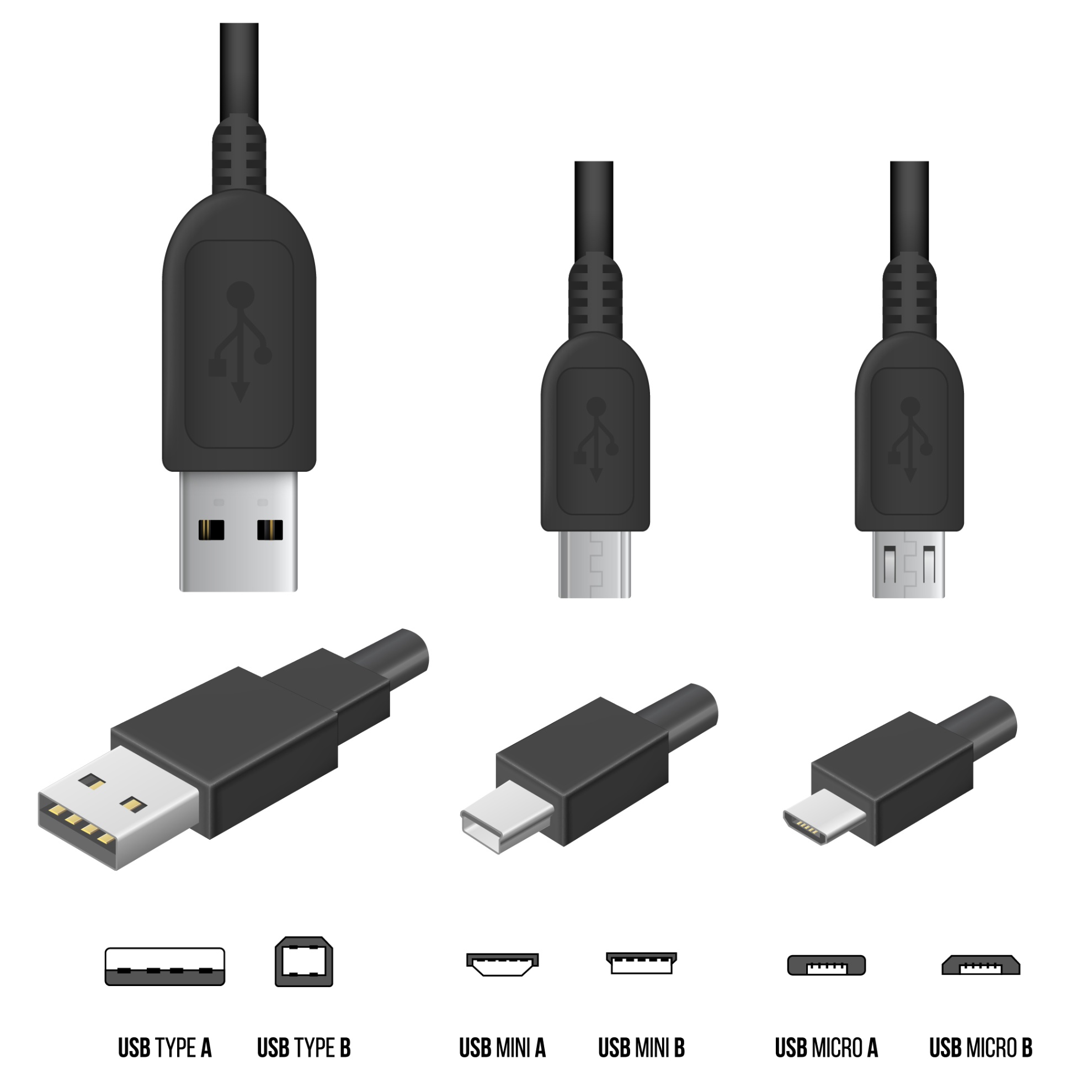
The Evolution of USB: How It Became Essential in Our Daily Tech Usage
The evolution of USB technology has played a pivotal role in how we interact with our devices. Introduced in 1996, USB (Universal Serial Bus) was designed to standardize the connection of peripherals to computers, which at the time had a myriad of incompatible ports. Over the years, USB has seen several iterations, with each version significantly enhancing speed and functionality. For instance, USB 2.0, released in 2000, allowed for data transfer rates of up to 480 Mbps, while the more recent USB 3.0 and 3.1 versions have pushed these speeds to over 10 Gbps, making them essential for handling large files and high-speed data transfers.
As technology continued to advance, the importance of USB in our daily tech usage became increasingly apparent. Today, USB interfaces are ubiquitous, utilized in everything from smartphones and laptops to printers and gaming consoles. The introduction of the USB-C standard has further revolutionized connections, offering a reversible design and support for power delivery alongside data transfer. This flexibility and compatibility have solidified USB's place as a cornerstone of modern technology, illustrating how a simple connection protocol has evolved into an indispensable tool that simplifies our digital lives.
Counter-Strike is a highly popular first-person shooter game that has become a staple in competitive gaming. Players are divided into two teams: terrorists and counter-terrorists, each with specific objectives to complete. To learn about the Top 10 charging stations for gaming equipment, check out this helpful guide.
10 Surprising Ways USB Connectors Have Transformed Our Digital Lives
USB connectors have done more than just provide a means of transferring data; they have transformed our digital lives in unexpected ways. For instance, the introduction of USB-powered devices has eliminated the need for multiple power adapters. Now, you can charge your smartphone, tablet, and even your laptop using just one universal cable. This not only reduces clutter but also simplifies our daily routines, making it easier to keep all our devices charged and ready to use.
Moreover, the versatility of USB connectors has significantly advanced technology integration within smart homes. With USB hubs and smart plugs, you can control a multitude of devices—from smart lights to security cameras—all from a single interface. Additionally, the evolution of USB connectors has paved the way for innovations like USB-C, which offers faster data transfer rates and supports video output, enabling seamless connectivity across various platforms and devices. These changes highlight how USB technology continues to be a cornerstone in enhancing our digital experience.
Is USB the Most Underappreciated Innovation in Technology History?
In the fast-paced world of technology, many innovations have shaped the way we interact with devices, yet few have been as revolutionary and underappreciated as USB (Universal Serial Bus). Introduced in the mid-1990s, USB transformed the landscape of connectivity by providing a standardized interface for data transfer and power supply across a myriad of devices. Before its arrival, users struggled with various cables and ports, leading to confusion and inefficiency. USB not only streamlined these connections but also enabled the proliferation of peripheral devices, making it easier for everyday consumers to use technology. Its ability to support hot-swapping—connecting and disconnecting devices without needing to turn off the computer—further cemented its significance in improving user experience.
Despite its profound impact, the USB standard often takes a backseat in discussions about technological advancements. While innovations like the smartphone or the internet receive accolades, USB quietly powers a vast ecosystem of gadgets, ranging from keyboards and mice to external hard drives and smartphone chargers. This versatility is vital in today’s digital age, as it ensures compatibility across devices, promotes efficient charging, and enables rapid data transfer. As we continue to embrace new technologies, it’s worth reflecting on the enduring legacy of USB—a true unsung hero that has facilitated a seamless transition into the interconnected world we navigate daily.