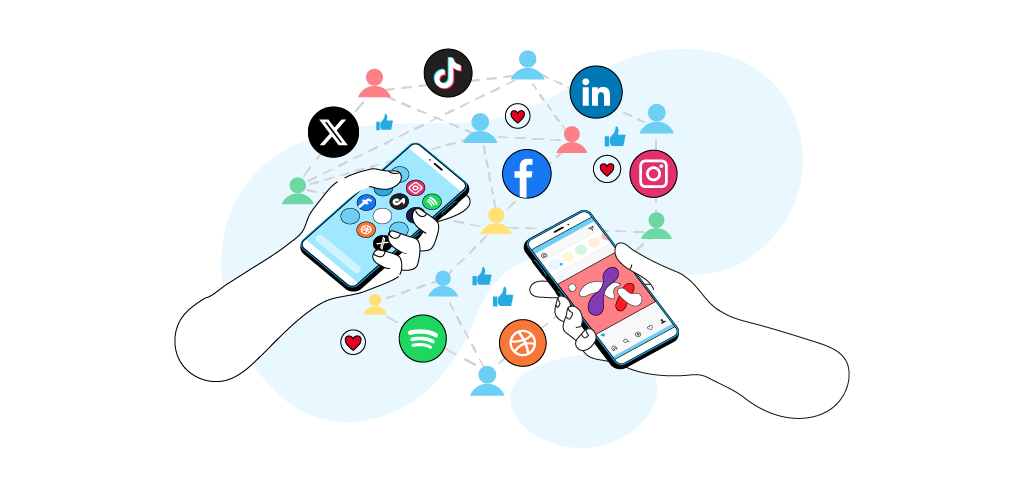
Top 5 Strategies to Filter Out Noise in the Content Overload
In today's digital landscape, content overload is a common challenge. With countless articles, videos, and social media posts vying for attention, it's essential to adopt effective strategies to filter out the noise. One of the most effective methods is to curate your sources. Focus on reputable websites and influencers in your niche. Subscribing to newsletters or following specific hashtags can streamline your information intake, ensuring you receive only the most relevant content. Implementing a content calendar can also help you prioritize what to read or watch, allowing you to manage your time efficiently.
Another powerful strategy is to utilize content aggregation tools. Platforms like Feedly or Pocket can help you collect and organize articles that matter most to you. These tools filter based on your interests, providing a personalized experience that cuts through the clutter. Additionally, consider setting aside specific times for content consumption. By designating periods in your day to focus solely on learning or researching, you can build a habit that enables deeper engagement with valuable content. Remember, quality often trumps quantity; prioritizing meaningful insights over sheer volume can significantly enhance your understanding and retention of information.
Counter-Strike is a highly popular online tactical first-person shooter that has captivated players around the world. With its emphasis on teamwork and strategy, players can compete in various game modes, from bomb defusals to hostage rescues. For those looking to enhance their gaming experience, check out the Top 10 apple tv accessories that can elevate your setup.
How to Create a Balanced Media Diet for Mental Wellbeing
In today's digitally driven world, creating a balanced media diet is essential for maintaining mental wellbeing. The first step in achieving this balance is to evaluate the types of media you consume daily. Consider categorizing your media into informational, educational, and entertaining formats. A recommended approach is to limit exposure to negative news and instead focus on positive, uplifting content. Incorporating a variety of sources not only enhances your understanding of the world but also promotes a healthy mindset. As a rule of thumb, aim for a media consumption ratio that leans towards positivity—perhaps 70% uplifting and educational content and 30% informative.
Next, setting boundaries around media usage is crucial. Establish specific times to engage with media, limiting screen time to designated periods that do not interfere with personal interactions or self-care routines. Additionally, consider incorporating mindfulness practices into your media consumption. For instance, after engaging with digital content, take a moment to reflect on what you’ve learned and how it affects your mood. Utilizing tools like media logs can help track your engagement and feelings associated with different types of content. By consciously curating your media experiences, you can foster a healthier relationship with technology, ultimately enhancing your mental wellbeing.
The Art of Mindful Consumption: Navigating Content Without Losing Your Sanity
In today's hyper-connected world, the constant influx of information can feel overwhelming. To practice mindful consumption, it's essential to take a step back and reflect on the content we engage with daily. This involves critically assessing the quality of information and prioritizing sources that align with our values and enhance our well-being. Establishing boundaries around our content consumption can prevent us from becoming 'information zombies,' where we consume content mindlessly. Consider creating a content diet that includes only trusted blogs, podcasts, or documentaries. By monitoring what we allow into our daily routines, we can cultivate a healthier relationship with information.
Another effective strategy for navigating content without losing your sanity is to implement digital detoxes. Setting aside specific times during the week where you disconnect from screens can rejuvenate your mental health and encourage activities that promote mindfulness and creativity. Use this time to explore hobbies, enjoy nature, or engage in real-world conversations. You might find that by reducing your screen time, you not only feel less overwhelmed but also more focused and present. Embrace the art of mindful consumption and reclaim your sanity in a world that often demands our constant attention.