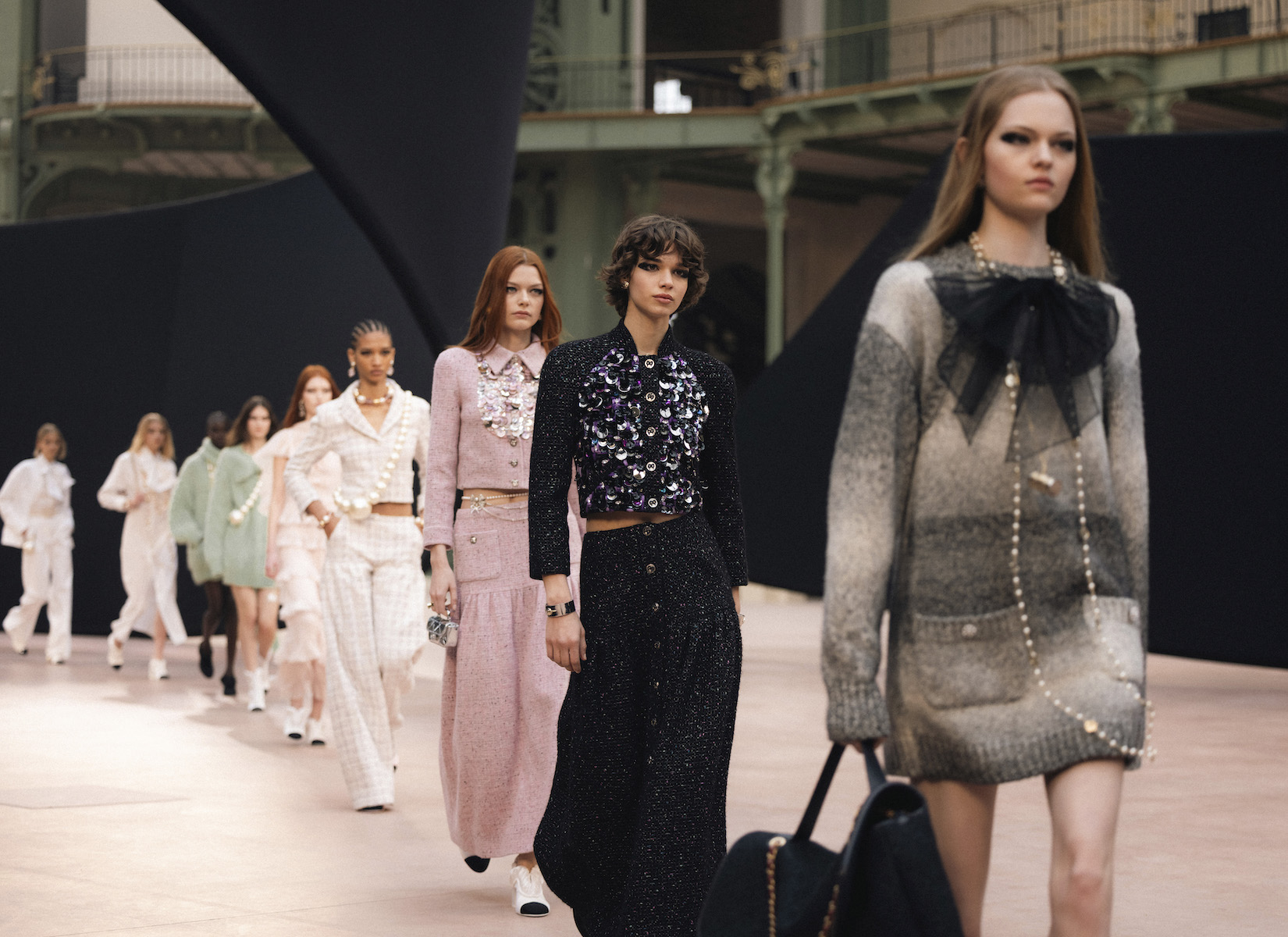
The Evolution of Iconic Fashion Trends: A Journey Through Time
The world of fashion is an ever-changing landscape, where trends evolve and iconic styles resurface with surprising regularity. From the flapper dresses of the 1920s to the bold shoulder pads of the 1980s, each decade has made its mark on our wardrobes, reflecting social movements and cultural shifts. As we journey through time, we can observe how trends have not only been adopted but have also been reimagined by new generations. For example, the classic denim jacket, initially popularized in the 1950s, has remained a staple in contemporary fashion, showcasing its versatile nature and timeless appeal.
As we delve deeper into the evolution of **iconic fashion trends**, we see how certain elements have transitioned from the runway to the streets. The miniskirt, introduced in the 1960s, revolutionized women's fashion, symbolizing freedom and liberation. Fast forward to today, and the athleisure trend dominates, merging comfort with style in our day-to-day lives. This blend of functionality and fashion indicates not just a shift in style but also a change in lifestyle. Iconic trends often hold a mirror to societal values, making the study of their evolution not only fascinating but essential for anyone interested in the fabric of cultural history.
Counter Strike is a popular first-person shooter game that has captivated millions of players around the world. It involves strategic gameplay where teams compete to complete objectives such as bomb defusal or hostage rescue. For gamers looking to combine their passion for gaming with modern technology, check out the Top 10 airtag wallets to keep your devices organized while you're in the heat of battle.
How Past Styles Influence Today's Fashion: A Deep Dive
The world of fashion is a vibrant tapestry woven with threads from various eras, each influencing the trends we see today. Past styles play a pivotal role in shaping contemporary apparel, with many designers drawing inspiration from decades gone by. For instance, the resurgence of vintage aesthetics can be observed in the popularity of high-waisted jeans and oversized blazers, reminiscent of the 80s and 90s fashion. Such nostalgic elements not only evoke a sense of familiarity but also allow modern fashion enthusiasts to connect with the cultural expressions of yesteryears.
Moreover, historical fashion movements often encapsulate broader societal changes. The flamboyant styles of the Roaring Twenties, characterized by their playful designs and vibrant colors, reflect a period of liberation and change. Today, we see similar motifs reappear in fashion runways, illustrating how the influence of past styles can transcend time. By recognizing these connections, we can better appreciate the cyclical nature of fashion, where innovation often stems from the rich history of style evolution.
What Makes a Trend Timeless? Exploring Fashion's Lasting Impact
Fashion trends come and go, but some achieve a level of timelessness that secures their place in style history. This phenomenon is often attributed to a combination of factors, including cultural significance, versatility, and lasting aesthetic appeal. For instance, classic styles like the little black dress or tailored blazers have transcended their original era due to their ability to be adapted for different contexts, making them staples in wardrobes worldwide. Additionally, trends that connect deeply with cultural movements often resonate for generations, allowing them to maintain relevance long after their inception.
Moreover, the impact of iconic fashion figures plays a crucial role in what makes a trend timeless. Designers and celebrities who embrace and redefine trends can elevate a particular style into the realm of lasting influence. When a fashion item tells a story or embodies a sense of nostalgia, it gains a deeper emotional connection with consumers. Ultimately, timeless trends combine innovative design with meaningful cultural narratives, establishing a legacy that endures well beyond the moment of its inception.